
Washers are integral components in countless mechanical and construction applications. They may seem like simple, inconspicuous pieces, but their role in ensuring safety, stability, and durability in various systems cannot be overstated. From automobiles to household appliances, washers are essential in maintaining the functionality of countless devices. In this blog post, we’ll explore what washers are, why they are so important, and how they benefit different industries.
What are washers?
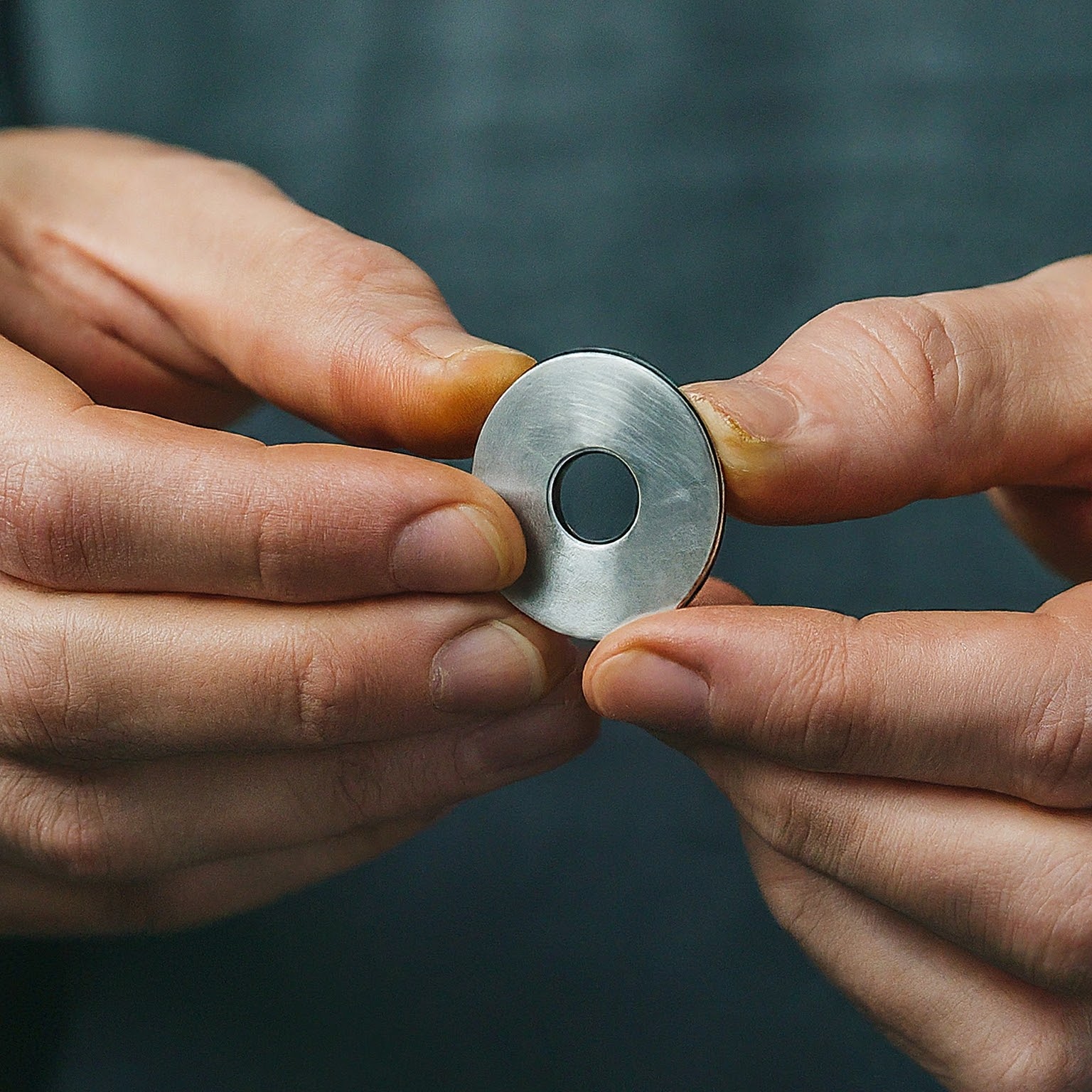
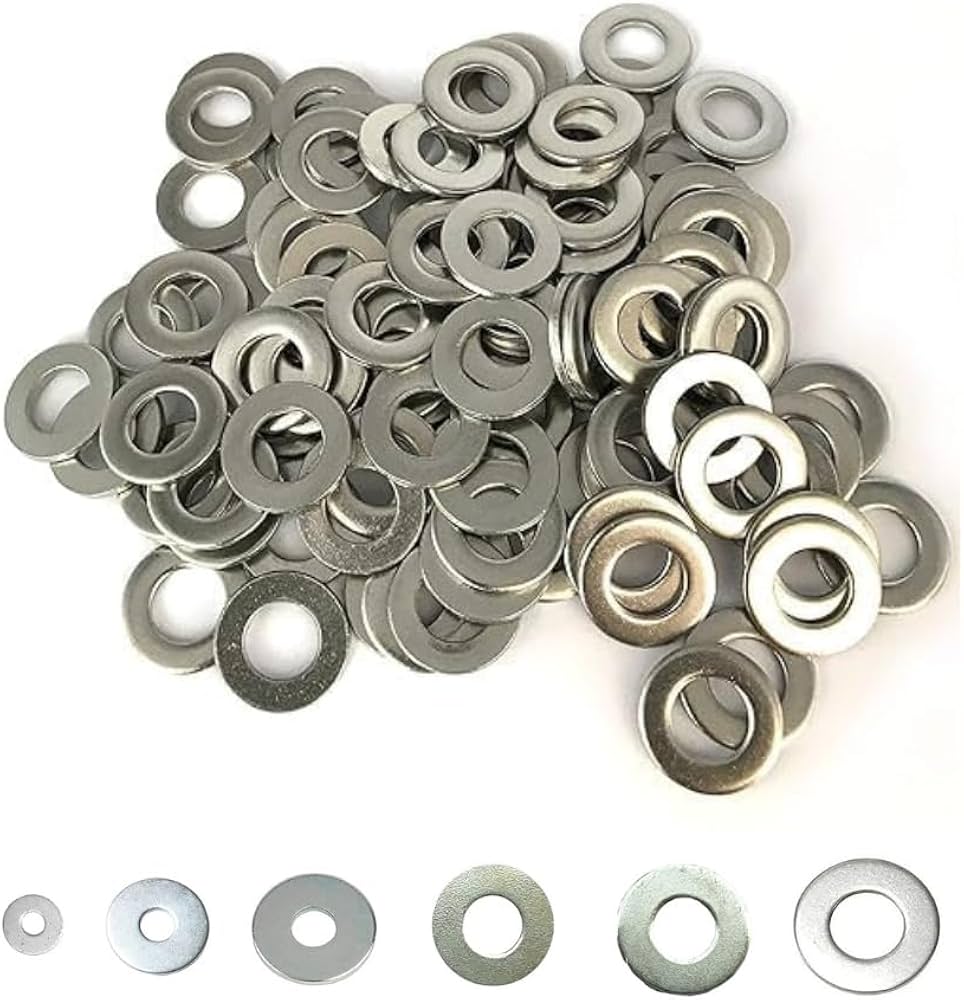
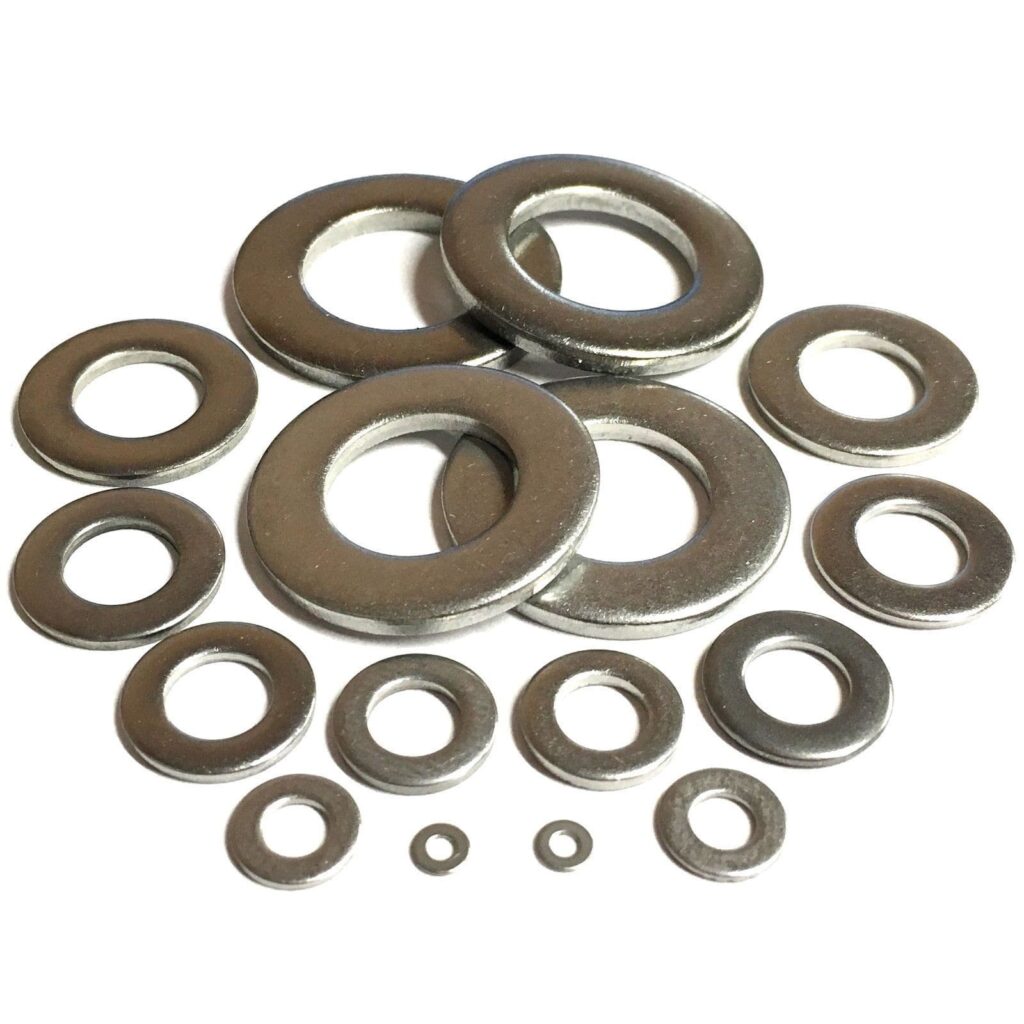
A washer is a small, flat, circular component typically made of metal, plastic, or rubber that is placed between a bolt or nut and the surface being fastened. Its main purpose is to distribute the load of a fastener, reduce friction, and prevent damage to the connected surfaces. In addition, washers serve to maintain the tension and prevent loosening of fasteners due to vibrations, thermal expansion, or corrosion.
Washers are not just for fastening; they also improve the longevity of both the fastener and the materials being joined. By spreading the load and reducing wear, they prevent the fastener from digging into the material or causing uneven stress distribution, which could lead to structural failure over time.
Why are washers important?
Washers play a crucial role in several critical areas of mechanical and structural applications. Their functionality might seem straightforward, but they serve multiple purposes that make them indispensable in maintaining the integrity and safety of various systems.
1. Load Distribution
The most fundamental role of a washer is to distribute the load applied by a fastener (such as a bolt or nut) over a larger surface area. When a bolt is tightened, the pressure of the bolt head or nut is concentrated on a small area. Without a washer, this concentrated pressure can cause damage to the material, particularly softer materials like wood, plastic, or aluminum. Washers help spread the load more evenly, preventing material deformation or damage.
For instance, in construction or automotive applications, washers prevent damage to the material surface from the high torque generated by fasteners. They make sure that the force applied by the fastener is distributed without creating high-stress points that could compromise the material.
2. Vibration Resistance
In mechanical systems, vibration is a constant factor that can lead to fasteners loosening over time. This is especially true in machinery, automotive engines, or any system with moving parts. Washers, particularly lock washers or spring washers, provide resistance to loosening. These types of washers are designed to create tension between the fastener and the surface, preventing them from coming undone due to vibrations.
For example, in an automobile engine, washers keep bolts secure on critical components such as the exhaust system or engine parts, where vibrations are constant. Without them, bolts and nuts could loosen, leading to potential failures or safety hazards.
3. Prevention of Corrosion and Wear
In some environments, especially outdoor or marine settings, exposure to moisture, chemicals, or extreme weather can cause corrosion. Washers designed for sealing, or those made from corrosion-resistant materials such as stainless steel or brass, prevent moisture or contaminants from entering joints or threads.
Sealing washers, for instance, help create airtight or watertight seals that prevent the ingress of moisture, which could otherwise lead to rust, corrosion, or material degradation. This is crucial in plumbing, automotive, and industrial applications, where even a small leak or exposure to moisture can result in significant damage or inefficiency.
Additionally, washers can protect the materials from wear caused by friction between moving parts. In high-stress environments, washers reduce the direct contact between fasteners and the surfaces they connect, preventing unnecessary wear and ensuring that the components last longer.
4. Maintaining Joint Integrity
Another important role of washers is maintaining the integrity of a joint or connection. By ensuring an even distribution of pressure and tension, washers prevent the materials from separating or becoming misaligned. This is particularly crucial in large, heavy-duty machinery or complex structural builds where even a small misalignment could compromise the entire system.
For example, in a construction project, washers are used to join steel beams or structural supports. They ensure that the fasteners hold the components firmly in place and help maintain the alignment and stability of the structure. This function is critical in ensuring the safety and durability of the build.
5. Reducing Friction and Wear
Washers also play an important role in reducing friction between parts. When components are fastened together, there can be considerable friction between the fastener and the surface. Over time, this friction can lead to wear and tear, damaging both the fastener and the material.
By placing a washer between the fastener and the surface, friction is reduced, which in turn reduces wear. This is especially useful in systems with moving parts, where reducing friction extends the lifespan of the components involved. For instance, in mechanical machinery, washers help reduce the friction between rotating parts, which can improve the overall efficiency and lifespan of the equipment.