
Furniture fixtures are an integral part of interior design and home functionality. Whether you’re outfitting your home with the latest styles or focusing on practical considerations, understanding what makes a piece of furniture functional and aesthetically appealing is key. In this detailed guide, we will explore what furniture fixtures are, how they differ from other elements, and their significance in both residential and commercial spaces.
Furniture fixtures refer to the various components and hardware used in the construction, installation, or functionality of furniture pieces. These include any permanent or semi-permanent fixtures that are attached to a piece of furniture and contribute to its overall design, stability, and usability.
Fixtures could encompass a wide variety of elements, from built-in lighting in cabinets to drawer slides in a chest of drawers, to even the legs and handles of a sofa. Their primary function is to provide structure, support, or even decoration to the furniture they are part of.
Importance of Furniture Fixtures
Furniture fixtures play a significant role in both the design and function of furniture:
- Stability and Strength: Fixtures like screws, brackets, and joints hold the furniture together, ensuring it can withstand daily use.
- Aesthetic Value: Decorative elements such as handles, knobs, and inlays can elevate the furniture’s visual appeal.
- Durability: High-quality fixtures contribute to the overall longevity of the furniture, reducing wear and tear over time.
- Functionality: Fixtures such as soft-close hinges, adjustable legs, or modular components enhance the usability of a piece.
Types of Furniture Fixtures
Furniture fixtures can be broadly categorized into several types based on their function and application. Here are some common types:
1. Structural Fixtures
These fixtures provide the basic framework or support to ensure furniture remains stable and durable.
- Screws and Bolts: Essential for holding together parts of furniture, such as the legs of a table or the backrest of a chair.
- Brackets: These are used for reinforcing joints or securing different parts of furniture.
- Glue: Often used in woodworking, glue acts as a bonding agent for different sections of furniture.
- Nails and Staples: Used in upholstery and certain wooden frames for securing fabrics or cushioning.
2. Functional Fixtures
These fixtures focus on improving the function and usability of a piece of furniture.
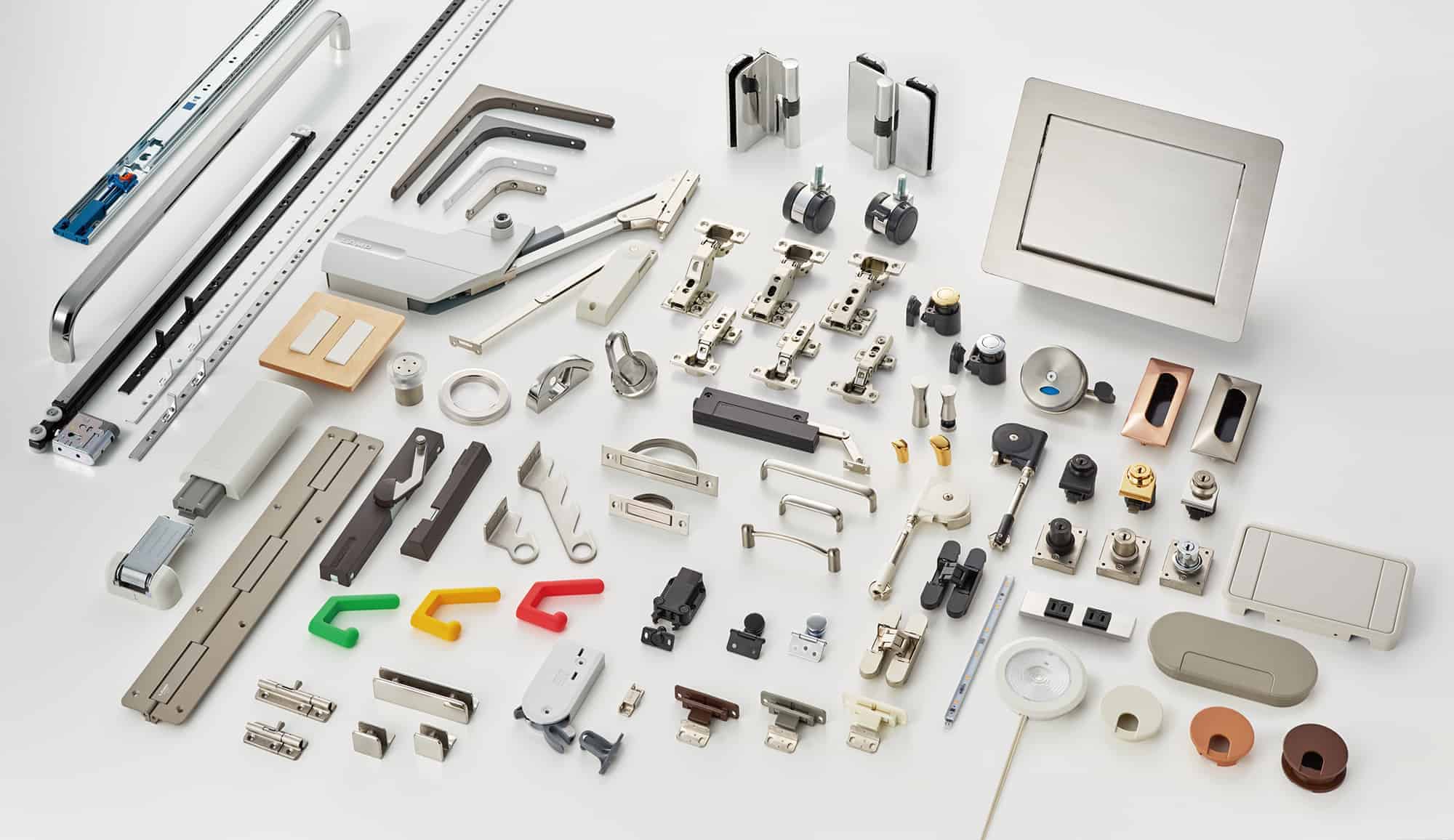
- Drawer Slides and Tracks: These allow drawers to open and close smoothly. Soft-close mechanisms are a popular addition in modern furniture.
- Hinges: Found in cabinets and doors, these fixtures allow for opening and closing without compromising the structural integrity.
- Latches and Locks: Used in desks, cabinets, and safes, they offer security and privacy.
- Adjustable Legs: These allow furniture, especially chairs and tables, to be adjusted for height or level.
3. Decorative Fixtures
These fixtures enhance the aesthetic appeal of furniture pieces.
- Handles and Knobs: Common in cabinets, dressers, and drawers, handles and knobs can completely transform the look of a piece of furniture.
- Legs and Bases: The legs of furniture often serve as decorative elements as well as providing support. From sleek, modern metal legs to traditional wooden ones, they make a design statement.
- Trims and Inlays: Used in high-end or antique furniture, these decorative fixtures add intricate detail to the design.
4. Lighting Fixtures
Incorporating lighting into furniture has become a popular trend, particularly in modern design. Examples of lighting fixtures in furniture include:
- Built-in Lighting: Used in cabinets, desks, or bookshelves, built-in lighting provides both functionality and ambiance.
- LED Strips: Often integrated into the edges or under shelves, they highlight furniture elements or create a modern atmosphere.
- Floor and Table Lamps: These may be considered separate from furniture, but often their bases or features are integrated into the overall furniture design.
5. Upholstery Fixtures
These are related to the soft materials and coverings used in furniture such as couches, chairs, and beds.
- Staples: These are used to attach fabric or leather to the frame of upholstered furniture.
- Tacks: Decorative tacks are often used in high-end or vintage-style furniture to add a traditional look.
- Zippers: Found in cushions or pillow inserts, zippers make it easier to replace covers or access inner padding.
- Buttons: Often used in tufted upholstery for aesthetic appeal, buttons are fixtures that help secure fabric in place.
Choosing the Right Furniture Fixtures
The right furniture fixtures can make a significant difference in the functionality, aesthetics, and longevity of your furniture. Here are some tips for selecting the best fixtures:
1. Quality Matters
Investing in high-quality fixtures ensures that your furniture will remain sturdy and last for years. Look for fixtures made from durable materials such as stainless steel, brass, or heavy-duty plastics for components that will be used frequently.
2. Match the Style
Consider the overall style and aesthetic of your furniture when choosing fixtures. Opt for sleek, minimalistic fixtures for contemporary pieces or more ornate options for traditional or vintage furniture. The fixtures should complement, rather than clash with, the design.
3. Functionality First
While the appearance of a fixture is important, make sure the functional aspects are prioritized. For example, soft-close hinges or drawer slides might cost more but will significantly improve the daily use and longevity of your furniture.
4. Consider Maintenance
Think about the upkeep of your furniture. Some fixtures, like metallic finishes or complex mechanisms, might require more maintenance over time. Be sure to choose fixtures that are not only durable but easy to maintain, especially for high-use furniture.
Furniture fixtures, while often overlooked, are crucial components that enhance the durability, functionality, and aesthetic appeal of furniture. Whether you are investing in a new piece of furniture or designing a space from scratch, understanding the importance and types of fixtures is vital. By choosing high-quality fixtures that suit both your design preferences and functional needs, you can ensure that your furniture not only looks great but also serves you well for years to come.
From structural elements like screws and hinges to decorative touches such as knobs and lighting, the right fixtures can transform an ordinary piece of furniture into something extraordinary. Whether in residential homes or commercial spaces, these small yet significant details contribute immensely to the overall success of the furniture’s design.