
Furniture fasteners are an essential yet often overlooked component of the furniture assembly process. Whether you’re assembling a new bookshelf, sofa, or dining table, these small but mighty pieces of hardware hold everything together and ensure your furniture is both sturdy and functional. In this blog post, we’ll dive deep into the world of furniture fasteners, covering their types, uses, and how to choose the right one for your needs.
Furniture fasteners are hardware components that are used to join different parts of a piece of furniture together. They come in many shapes and sizes, from simple screws and bolts to more complex systems like cam locks and dowels. Their primary role is to ensure that the pieces of furniture remain securely fastened during use, providing both strength and stability.
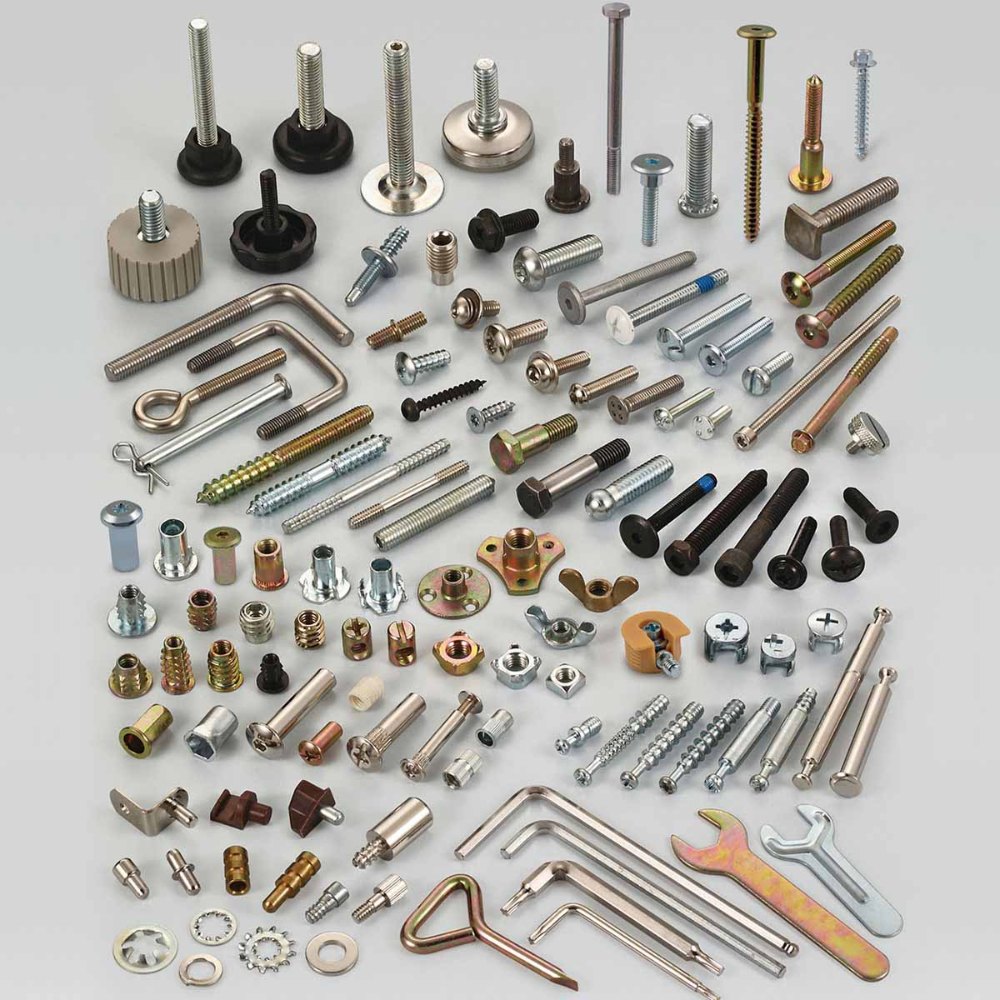
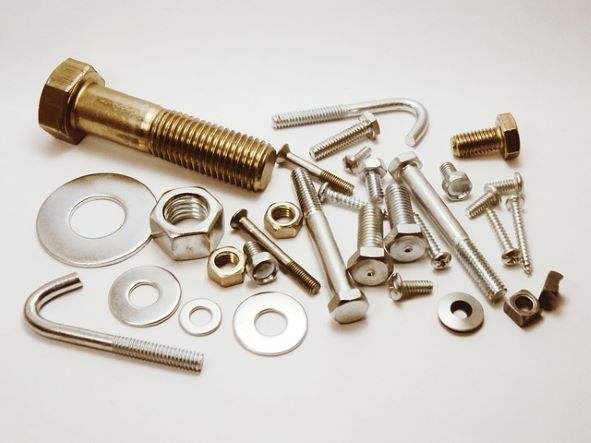
Types of Furniture Fasteners
There are several different types of furniture fasteners, each designed for specific applications. Below are the most commonly used fasteners in the furniture industry:
1. Screws
Screws are the most common type of fastener used in furniture construction. They come in various lengths, diameters, and head types. Screws typically have a threaded shaft that cuts into the material to create a secure hold.
- Wood Screws: Specifically designed for use with wood, these screws have a pointed end that helps them easily penetrate wood fibers.
- Self-Tapping Screws: These screws are designed to tap their own threads into the material as they are driven in, making them ideal for use in softwood or MDF (Medium Density Fiberboard).
- Machine Screws: These screws are used when threading is already present, such as in metal furniture.
2. Bolts and Nuts
Bolts and nuts are commonly used for larger furniture pieces that require more strength. They are often used in metal-framed furniture, such as desks and bed frames.
- Carriage Bolts: These bolts have a rounded head with a square neck underneath to prevent the bolt from turning when it is tightened with a nut.
- Hex Bolts: These bolts have a hexagonal head, requiring a wrench to tighten. They are often used in construction-grade furniture.
- Wing Nuts: These nuts have two “wings” that allow for easy tightening by hand. They are commonly used in furniture that may need to be disassembled or adjusted frequently.
3. Dowels
Dowels are cylindrical rods, usually made of wood or metal, that fit into holes drilled into two pieces of furniture to join them. The dowels are typically glued into place, creating a strong bond.
- Wood Dowels: These are the most common and are often used in high-quality wooden furniture. They provide a strong, tight fit.
- Plastic Dowels: These are often used in cheaper, mass-produced furniture and may not be as durable as wood dowels.
4. Cam Locks and Cam Bolts
Cam locks and cam bolts are commonly used in flat-pack furniture assembly, such as bookshelves, desks, and kitchen cabinets.
- Cam Lock: This is a type of fastener that uses a cam mechanism to lock two pieces of furniture together. It requires a cam bolt (which is inserted into the piece of furniture) to secure the connection.
- Cam Bolt: This is a long bolt with a unique shape designed to fit into a cam lock. When turned, it locks into place, holding the furniture pieces together.
5. Nails
While screws are generally preferred for furniture assembly due to their superior holding power, nails can still be useful in certain situations, especially in decorative woodworking. Nails are often used for securing thin veneers or lightweight components.
- Finish Nails: These nails have a small, flat head and are used when you don’t want the fastener to be visible. They’re often used in trim work or on the back panels of cabinets.
- Brad Nails: These are smaller than finish nails and are typically used for delicate or thin materials.
6. T-nuts and Insert Nuts
T-nuts and insert nuts are commonly used in the assembly of heavier furniture, such as office chairs or tables. These nuts are inserted into pre-drilled holes in wood, metal, or composite materials to allow for the secure attachment of bolts.
- T-nuts: These have a flange at one end, which prevents them from pulling out of the material.
- Insert Nuts: These are similar but don’t have a flange and are more commonly used in softer woods.
7. Clips and Brackets
Clips and brackets are often used in conjunction with other fasteners to hold furniture parts in place. They are commonly used in shelving systems, where they help secure the shelves to the wall or frame.
- Shelf Brackets: These are L-shaped or triangular brackets that support the weight of a shelf.
- Furniture Clips: These are used to join two pieces of furniture together without the need for screws or nails. They’re often used in modular furniture systems.
Choosing the Right Fastener for Your Furniture
Selecting the right type of fastener is crucial for ensuring the durability and safety of your furniture. Here are some factors to consider when choosing furniture fasteners:
1. Material of the Furniture
The material your furniture is made from plays a significant role in the type of fastener you should use. For example:
- Wood: Wood screws, dowels, and cam locks work best.
- Metal: Metal bolts, machine screws, and T-nuts are ideal for metal furniture.
- Composite Materials: If your furniture is made from MDF or particleboard, use self-tapping screws or cam locks to avoid damaging the material.
2. Weight and Load
The size and type of fastener you choose should depend on the weight and load the furniture will carry. Larger pieces of furniture, like dining tables or bookshelves, may require stronger fasteners like bolts or cam locks. Lightweight furniture, such as small chairs or side tables, might only require screws or nails.
3. Ease of Assembly
If you’re assembling the furniture yourself, look for fasteners that are easy to install and don’t require special tools. Cam locks and bolts with wing nuts are easy to tighten by hand, making them ideal for DIY furniture.
4. Aesthetic Considerations
In some cases, fasteners might be visible once the furniture is assembled, so you’ll want to choose fasteners that blend in with the design of the piece. For example, decorative screws or finish nails can be used for a clean, finished look.
5. Longevity
Durability is a key consideration, especially for furniture that will be heavily used. Opt for high-quality screws, bolts, or dowels made from materials like stainless steel or brass to prevent rusting or stripping over time.
How to Install Furniture Fasteners
Proper installation of furniture fasteners is critical to ensure that your furniture remains secure. Here are some tips for correctly installing furniture fasteners:
1. Pre-drill Holes
When using screws, dowels, or bolts, pre-drilling holes is essential to avoid damaging the material and ensure a tight fit. For dowels, the holes should be of the correct size to fit the dowel snugly. For screws, ensure the hole is slightly smaller than the screw to allow for a secure grip.
2. Use the Right Tools
Make sure you have the right tools for the job. For screws and bolts, use a screwdriver or drill to tighten them. For larger bolts, use a wrench or socket set.
3. Avoid Over-tightening
Over-tightening screws or bolts can strip the threads or cause the material to crack. Tighten fasteners until they are secure but avoid using excessive force.
4. Check for Stability
Once your fasteners are in place, check the furniture for stability. Give it a gentle shake to ensure there is no wobbling or loose connections.
Conclusion
Furniture fasteners may seem like a small detail, but they play a crucial role in ensuring your furniture is durable, safe, and functional. By understanding the various types of fasteners and how to choose the right one, you can ensure that your furniture assembly is a success and that your pieces stand the test of time.
Whether you’re building a new piece of furniture, repairing an old one, or simply upgrading your DIY skills, knowing how to use the right fasteners will make a significant difference in the quality and longevity of your furniture.