


Screw Compressors
Screw air compressors, also known as rotary screw compressors, are an essential component in many industrial and commercial operations. They offer a reliable, efficient, and durable solution for supplying compressed air to various applications, from manufacturing plants to automotive workshops. This comprehensive guide will explore the working principles, types, applications, advantages, and maintenance of screw air compressors, providing you with everything you need to know about these powerful machines.
A screw air compressor is a type of rotary compressor that uses two helical screws (rotors) to compress air. Unlike reciprocating compressors, which rely on pistons, screw compressors compress air through the continuous rotating action of the screws. This method allows for smoother, more consistent airflow and is particularly well-suited for large-scale industrial operations that require a constant supply of compressed air.
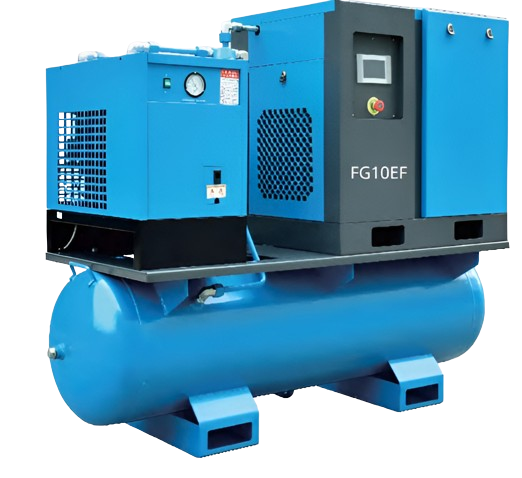
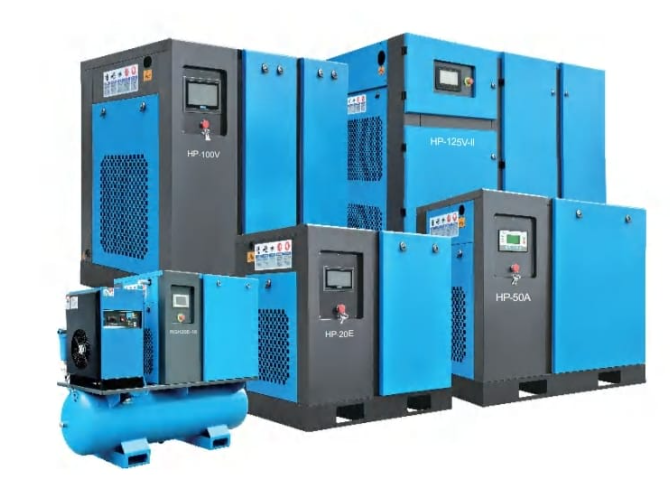
Available Screw Compressors
- Screw Air Compressor 10 HP
- Screw Air Compressor 15 HP
- Screw Air Compressor 20 HP
- Screw Air Compressor 30 HP
- Screw Air Compressor 50 HP
Key Components of Screw Compressors
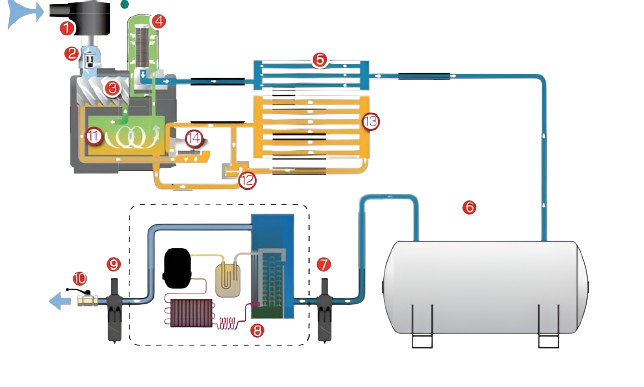
Understanding the components of a screw compressor is crucial to recognizing how it functions and why it’s so efficient:
- Rotors (Screws): The main working parts of the compressor, responsible for compressing the air.
- Airend (Compression Chamber): The section of the compressor where air is compressed between the screws.
- Oil System (in Oil-Injected Models): This system injects oil into the chamber to lubricate, seal, and cool the screws.
- Motor: Powers the screws and is typically electric, but diesel options are available for heavy-duty uses.
- Cooling System: Ensures the compressor doesn’t overheat during continuous operations. This system is essential in oil-free compressors.
- Air Filter: Ensures that the air entering the compressor is free of dust, debris, or other contaminants.
- Separator Tank (in Oil-Injected Models): Separates the oil from the compressed air before it exits the compressor.
- Controller: Monitors pressure, temperature, and performance, allowing operators to adjust the settings.
Benefits of Screw Compressors
Screw compressors offer several distinct advantages over other types of compressors, making them highly popular in industrial settings:
1. Continuous Operation
Screw compressors are designed for continuous use, making them perfect for industries requiring a consistent supply of compressed air. Unlike reciprocating compressors, which work intermittently, screw compressors can run 24/7 without overheating or suffering mechanical damage.
2. Energy Efficiency
Screw compressors consume less energy for the same amount of air output compared to other types of compressors. The continuous compression process with minimal pressure drops results in higher energy savings, especially in large-scale operations.
3. Low Noise Levels
Thanks to their design, screw compressors are quieter than piston compressors. The lack of reciprocating motion and efficient cooling systems reduce operational noise, making them ideal for indoor settings or environments where noise pollution must be minimized.
4. Reduced Maintenance
With fewer moving parts and a simpler design, screw compressors require less maintenance than piston compressors. The rotors operate without direct contact, leading to less wear and tear, and the oil lubrication (in oil-injected models) extends the lifespan of critical components.
5. Compact Design
Despite their power and efficiency, screw compressors are typically more compact than other industrial compressors, allowing them to be installed in locations with limited space. This makes them an excellent choice for factories or workshops where floor space is at a premium.
6. Reliable and Durable
Screw compressors are built to handle demanding applications. Their ability to operate continuously and under extreme conditions ensures a long operational life, making them a reliable choice for industries where downtime can be costly.
Application of Screw Compressor in Industries
Screw compressors are essential in various industries due to their ability to provide a continuous flow of compressed air. Some of the key sectors that rely on screw compressors include:
- Manufacturing: Powers pneumatic tools, assembly lines, and automation equipment.
- Automotive Industry: Used for tire inflation, painting, and powering air tools.
- Food & Beverage: Provides clean, oil-free compressed air for packaging, bottling, and food processing.
- Pharmaceuticals: Supplies 100% oil-free air for the production of sensitive medical products.
- Construction: Powers jackhammers, drills, and other pneumatic equipment on construction sites.
Screw compressors are an indispensable tool for industries that require reliable, efficient, and continuous air supply. With their long-lasting durability, energy efficiency, and low noise levels, screw compressors offer a superior alternative to other air compressors.
At Strips India, we understand the importance of reliable equipment in keeping your operations running smoothly. Our range of screw compressors is designed to meet the toughest demands, helping you increase productivity while reducing downtime and maintenance costs.