


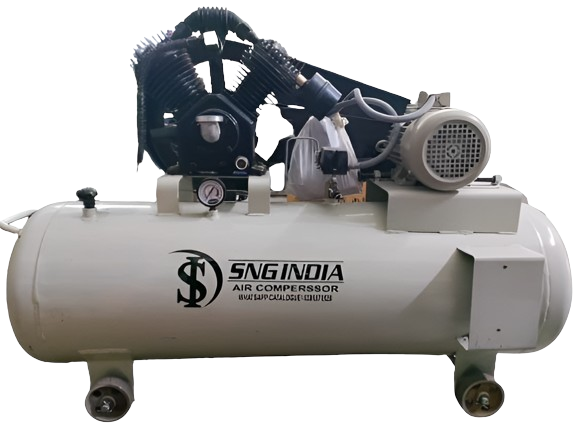
A reciprocating air compressor, also known as a piston air compressor, is a type of positive displacement compressor where air is compressed by a piston inside a cylinder. The piston moves back and forth, or reciprocates, drawing air into the chamber during the intake stroke and compressing it during the compression stroke. The compressed air is then stored in a tank, ready to power various pneumatic tools and equipment.
Working of Reciprocating Compressors
The working mechanism of a reciprocating compressor is relatively simple yet highly effective. The process can be broken down into the following steps:
- Intake Stroke:
- The compressor’s piston moves downward inside the cylinder, creating a vacuum. This reduction in pressure causes the intake valve to open, allowing atmospheric air to fill the cylinder.
- Compression Stroke:
- As the piston moves back upward, the intake valve closes, and the air inside the cylinder is compressed. The rise in pressure forces the compressed air out through the exhaust valve into the storage tank.
- Discharge Phase:
- Once the air reaches the desired pressure, it is stored in the tank. When needed, this compressed air can be used to power pneumatic tools or machinery through a regulator that controls the flow.
The reciprocating motion of the piston is driven by an electric motor, gasoline, or diesel engine, making these compressors highly versatile for a range of applications.
Available Sizes of Reciprocating Compressors
- Air Compressors 2HP
- Air Compressors 3 HP
- Air Compressor 5 HP
- Air Compressor 7.5 HP
- Air Compressor 10 HP
- Air Compressor 15 HP
Key Components of Screw Compressors
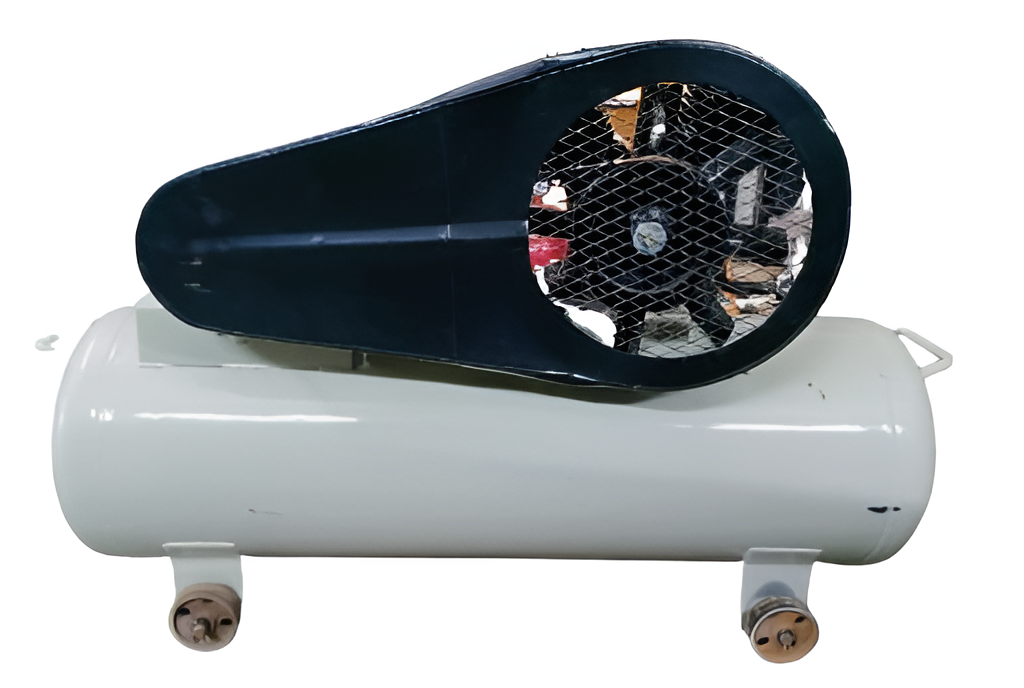
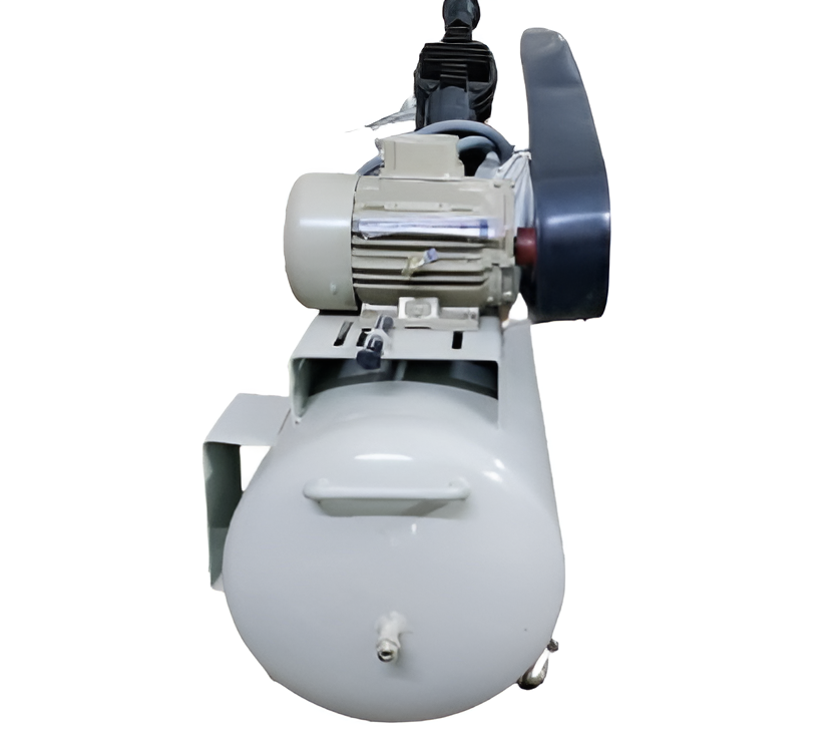
A typical reciprocating air compressor consists of several key components that ensure its smooth operation:
- Cylinder: Houses the piston and is where the air compression takes place.
- Piston: Moves back and forth inside the cylinder to compress the air.
- Crankshaft: Connected to the piston, the crankshaft converts rotational energy from the motor into the reciprocating motion.
- Valves: Regulate the intake and exhaust of air. The intake valve allows air to enter the cylinder, and the discharge valve releases compressed air into the storage tank.
- Cooling System: Ensures that the compressor does not overheat during operation, especially in high-pressure, high-duty applications.
- Lubrication System: Keeps the internal components, such as the piston and crankshaft, well-lubricated for optimal performance and longevity.
Advantages of Reciprocating Compressors
Reciprocating compressors have been the industry standard for decades due to their numerous benefits. Below are some key advantages:
- High Pressure Capabilities:
- Reciprocating compressors can deliver extremely high pressure, making them ideal for demanding tasks that require a strong, continuous supply of air.
- Versatility:
- These compressors are available in various configurations, from small, portable models for home use to large, industrial-grade machines for factories.
- Cost-Effective:
- Compared to other compressor types, reciprocating compressors are relatively affordable and offer great value for the performance they provide.
- Durability:
- Built with robust materials, these compressors are designed for long-term use, even in harsh industrial environments.
- Easy Maintenance:
- Routine maintenance, such as oil changes and valve replacements, is straightforward and helps extend the lifespan of the compressor.
Applications of Reciprocating Compressors
Reciprocating air compressors are highly versatile and can be used in various industries for different applications:
- Automotive Industry: Used in auto repair shops for tire inflation, spray painting, and powering air tools like impact wrenches.
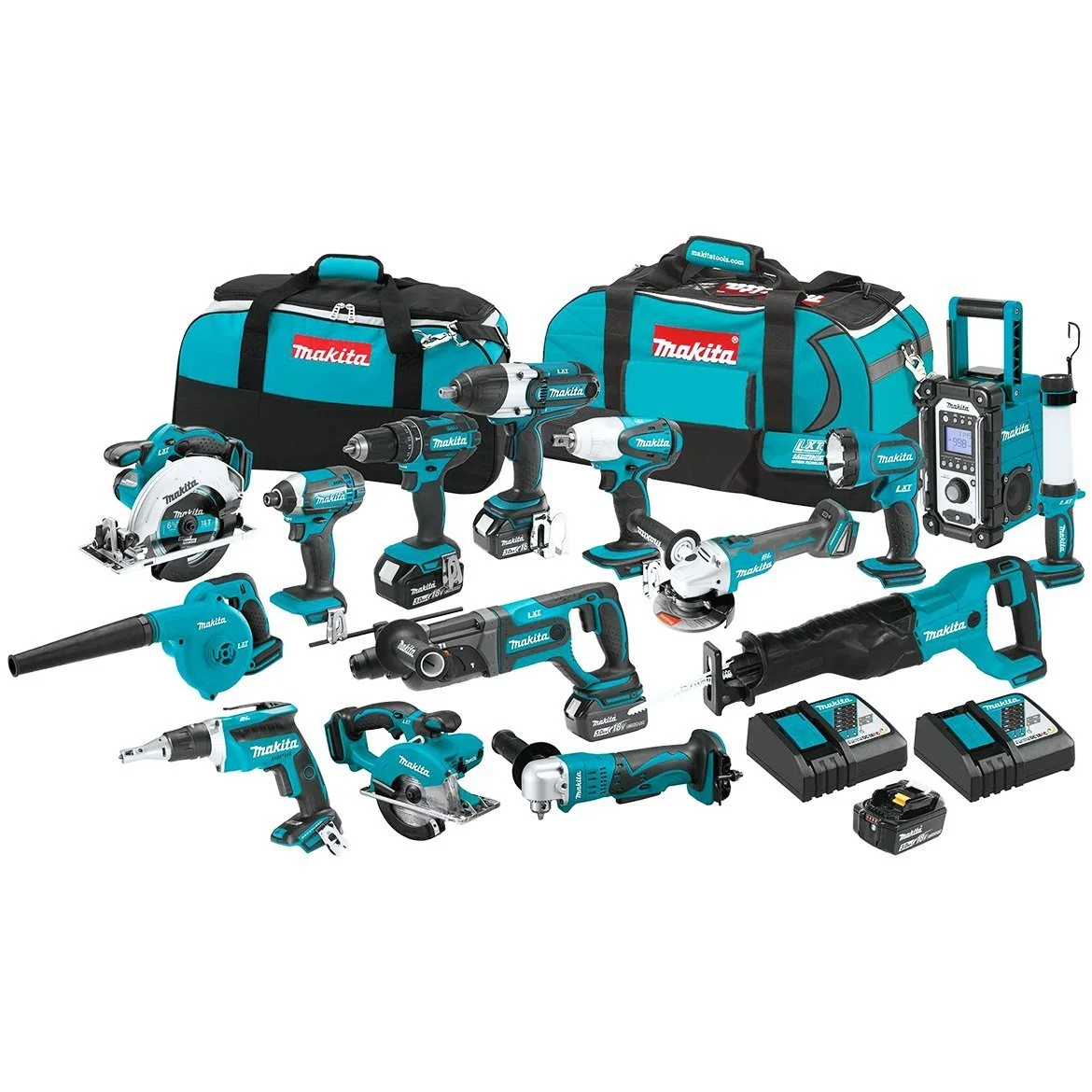
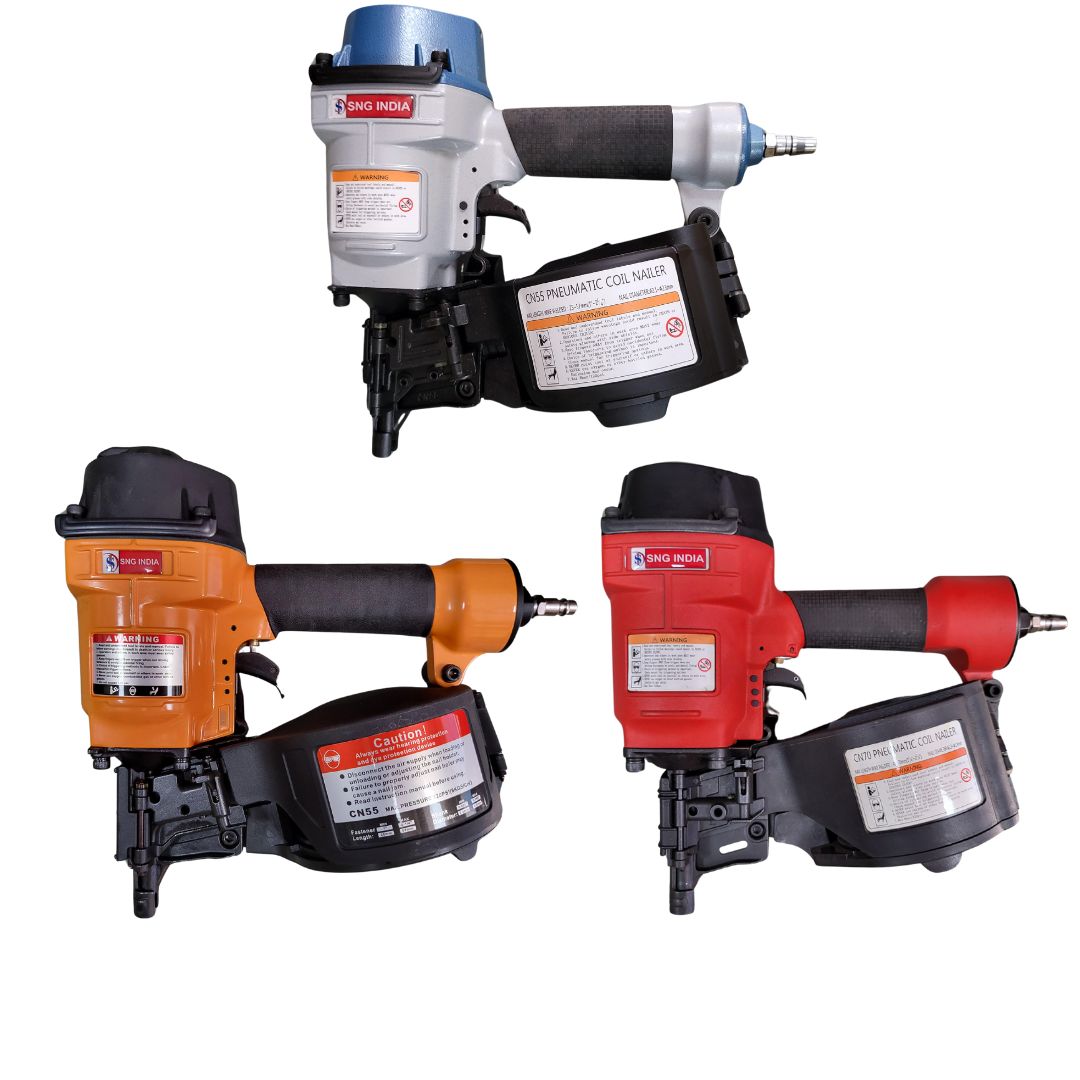
- Construction: Powers nail guns, jackhammers, drills, and other heavy-duty tools required on construction sites.
- Manufacturing: Drives automated systems, powers assembly lines, and is used in packaging processes.
- Agriculture: Used for powering irrigation systems, ventilating greenhouses, and operating farm equipment.
- HVAC Systems: Supports heating, ventilation, and air conditioning systems by providing a steady supply of compressed air.
Maintenance Tips for Reciprocating Compressors
To ensure the long-term performance of your reciprocating air compressor, follow these key maintenance tips:
- Regular Oil Checks and Changes:
- Keep the compressor properly lubricated by checking oil levels and replacing oil as recommended by the manufacturer.
- Air Filter Inspection:
- Clean or replace air filters regularly to prevent dust and debris from damaging the internal components.
- Check Belts and Pulleys:
- Inspect belts and pulleys for wear and tear, ensuring they are properly aligned to avoid damage.
- Inspect Valves:
- Periodically check intake and exhaust valves for leaks or blockages that can reduce efficiency.
- Drain the Tank:
- Moisture can accumulate in the storage tank over time. Regularly drain the tank to prevent corrosion and ensure optimal performance.
Reciprocating air compressors are essential machines that power a wide range of pneumatic tools and systems in various industries. With their ability to deliver high pressure and their cost-effective nature, they are perfect for both small-scale and industrial applications. By understanding how these compressors work, the types available, and how to maintain them, you can ensure your operations run smoothly and efficiently.
At Strips India, we offer top-quality reciprocating compressors designed to meet the diverse needs of industries. Whether you need a single-stage compressor for light-duty tasks or a two-stage model for high-demand applications, we’ve got you covered.